
The feeling of thirst is also activated by the release of the peptide hormone angiotensin II. Proper water intake is crucial for your metabolism and digestive system, which are both linked to weight loss. However, as with skincare, there is not a direct correlation between increased water consumption in people that are already well hydrated and weight loss. For example, water is a key player in digestion, so if you don’t get enough water, you could become constipated, impairing your ability to lose weight. Also, as mentioned above, a drop in your metabolism due to dehydration could have detrimental effects on weight loss. Understanding the fun and interesting facts about drinking water highlights its crucial role in our health and well-being.
Drinking-water services
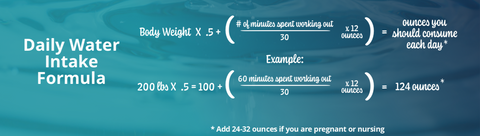
Contaminated water and poor sanitation are linked to transmission of diseases such as cholera, diarrhoea, dysentery, hepatitis A, typhoid and polio. Absent, inadequate, or inappropriately managed water and sanitation services expose individuals to preventable health risks. This is particularly the case in health care facilities where both patients and staff are placed at additional risk of infection and disease when water, sanitation and hygiene services are lacking. A good rule of thumb for a basic level of daily hydration is to take half your body weight (in lb) and consume that many ounces of water in a day. Keep in mind that a cup is 8 ounces, and most receptacles these days are larger than 8 ounces. Fact Plastic water bottles can present several risks to people who drink their contents and then fill them up time and again.
Why Hydration is Important
In 2015 the two unimeal-review trustpilot agencies jointly developed WASH FIT (Water and Sanitation for Health Facility Improvement Tool), an adaptation of the water safety plan approach. A 2023 report describes practical steps that countries can take to improve water, sanitation and hygiene in health care facilities. At Tru Flask, we're committed to supporting your hydration journey. Our range of water bottles is designed to remind you to sip regularly, ensuring your water intake is sufficient for optimal health.
Health Products
Some kidney and liver disorders can cause dark urine, according to Mayo Clinic. A quick and easy way to check if you are getting enough water overall is to take a peek at the color of your urine. If you are consuming enough, the urine color will be a pale yellow color.
Risks of dehydration
As tragic as these situations are, they are rare enough that they make the news when they happen. “In the extreme—and I do stress extreme—patients who ingest excess water have died from hyponatremia,” Verbalis says. “It takes a lot of water retention to do that.” Cases like this are often related to peer-pressure incidents, such as fraternity hazing, or over-the-top contests, like what happened in 2007 in California. Now, as we've walked through the importance of hydration, it's time to consider putting these insights into practice.
- It could be the boost you need for your workouts or daily routine.
- Remember, a hydrated body is a happy body, ready to tackle the day's challenges.
- We're thrilled to share our passion for building champions, both on the field and off.
- Absent, inadequate, or inappropriately managed water and sanitation services expose individuals to preventable health risks.
- It gives you energy, it keeps you on your toes and it reduces stress.
- For example, if you are pregnant or breastfeeding, it is recommended that you drink more ounces each day than you usually would.
But this doesn’t apply to most people who are simply exercising to get fit at the gym, for instance. During this extreme heat, staying hydrated is particularly important because roughly 50%-70% of our body mass is made up of water. Cells, blood, muscles, tissues, and the brain all rely on water to function properly. Water is an essential nutrient at every age, so optimal hydration is a key component for good health.
Studying the Health Benefits of Staying Hydrated
It's a widespread issue, but one that's easily preventable with a bit of knowledge and effort. "Adequate fluid and fiber is the perfect combination, because the fluid pumps up the fiber and acts like a broom to keep your bowel functioning properly," says Koelemay. It's no magic bullet, but the benefits of water are many. Plain coffee or teas, sparkling water, seltzers, and flavored waters are low-calorie choices.
Hydration and weight loss
How many liters of water a person should drink in a day will vary according to factors such as age, sex, and activity levels. Some of the water required by the body is obtained through foods with a high water content, such as oranges, watermelon, and spinach, but most come through drinking water and other beverages. The recommended 2-2.5 liters of daily water intake (from food and drink) is to balance your body’s water input and output. A good way to know if you need to increase your water intake is to look at your urine. Urine that is dark yellow to amber in color may indicate dehydration, while urine that is pale yellow in color means that you are properly hydrated (31). This article takes a look at general water intake recommendations and the potential benefits and consequences of drinking a gallon of water per day.
Sports & Performance
For example, if you are running outside on a hot summer day, you’ll want to add a few more ounces. Researchers caution that the study can’t speak to cause and effect, only that there seems to be an association between being adequately hydrated and being healthier. Of course, people who /trustpilot/ drink water regularly are also more likely to have other healthy habits.
Health Conditions
However, a condition called water toxicity is possible in rare cases, in which a large amount of fluids is taken in a short amount of time, which is faster than the kidney’s ability to excrete it. This leads to a dangerous condition called hyponatremia in which blood levels of sodium fall too low as too much water is taken. The excess total body water dilutes blood sodium levels, which can cause symptoms like confusion, nausea, seizures, and muscle spasms. Humans need to maintain a balance between the fluid lost during everyday activities—through sweat, urination and even the vapor in their breath—with what they consume. As people lose that fluid, blood volume decreases, increasing the ratio of salt and other minerals in the blood. Blood osmolality increases, and the brain responds by releasing an antidiuretic hormone, prompting the kidneys to retain fluid and triggering thirst.
Clarifying Misconceptions About Water Intake and Health
It was previously thought that caffeinated beverages had diuretic properties, meaning that they cause the body to release water. However, studies show that fluid loss because of caffeinated drinks is minimal. During everyday functioning, water is lost by the body, and this needs to be replaced. We notice that we lose water through activities such as sweating and urination, but water is lost even when breathing. In most cases, it’s best to trust your thirst — drink when you are thirsty and stop when you are not — and use indicators such as urine color to determine if you’re properly hydrated.